Trending

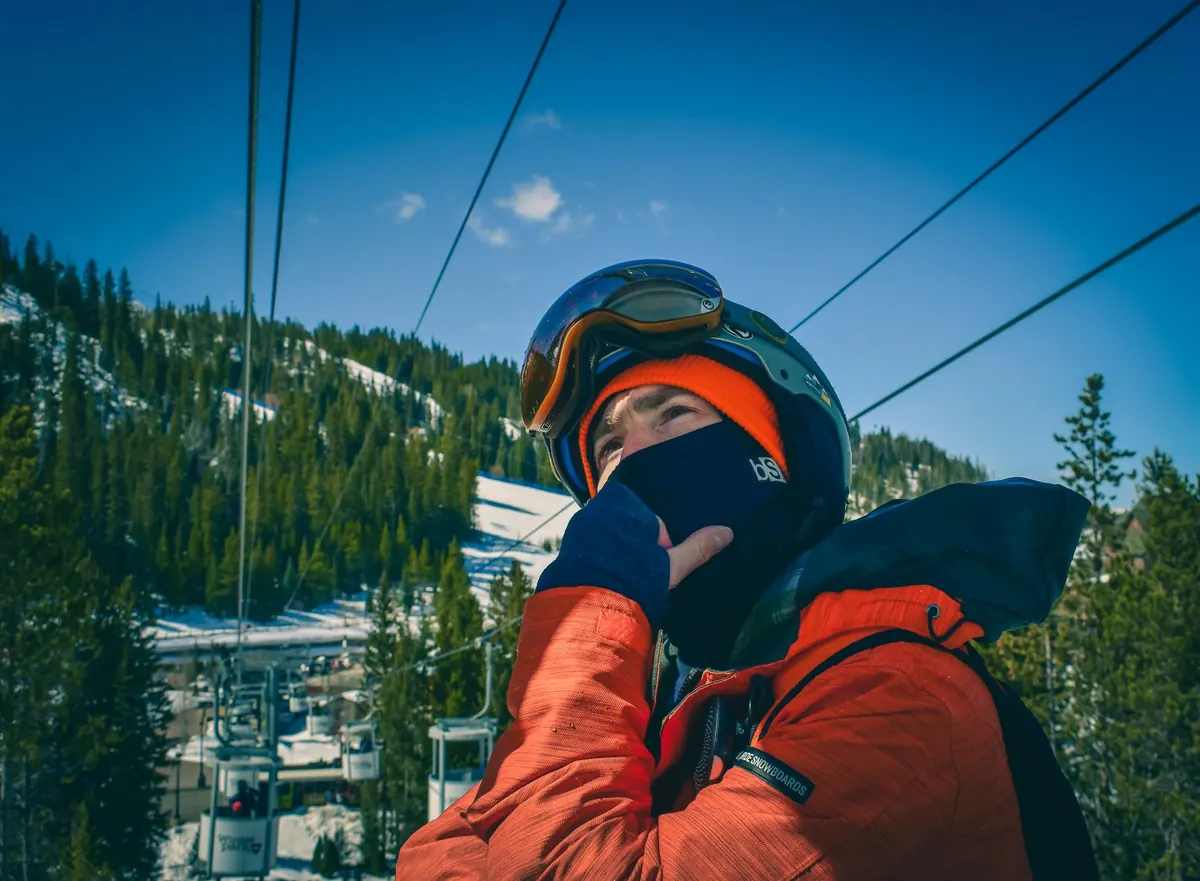
Aspen looks simple from the outside: four mountains, famous snow, a handsome little town at the bottom. Then you land at just under 8,000 feet with your suitcase and your hire skis, and the day has a way of not matching the picture in your head. Most first trips go slightly wrong in the same handful of ways. None of them will ruin your holiday, and all of them are easy to dodge with a little forethought.
Aspen sits at around 2,400 metres, and the lifts take you considerably higher. If you have flown in from sea level and slept badly, your body will notice. The usual early signs are a dull headache, waking at 3am, feeling puffed on the stairs and going off your food.
So don't schedule your hardest day for day one. Take the first 24 hours gently: walk the town, drink water, eat properly, keep the evening short. Some people feel fine and ski hard immediately; others don't, and there is no way to tell in advance which group you're in. If you feel rough at the top of a mountain, ride the lift back down rather than pushing on. If you develop breathlessness at rest, confusion or vomiting, treat it as a medical matter, speak to a doctor and consider losing altitude. Free advice from a ski patroller is fine, but anything more serious belongs with a professional.
The combination of dry air, altitude and exercise dehydrates people faster than they expect. Breathing cold, thin air alone costs you fluid. A sensible target is a couple of litres of water across the day, sipped steadily rather than gulped at lunch.
Carry a bottle in your backpack and refill it at the lodges rather than buying a new one every couple of hours. Coffee, hot chocolate and mulled wine are lovely, but they don't count towards the total. Eat breakfast even if you're not hungry, and keep a snack in a pocket for the lift ride.
Queues in Aspen are worst between roughly 9am and 10.30am, when everyone converges on the main base lifts. You have three good options.
Dates matter as much as times. Christmas week, the February school holidays and spring break are busy by definition. If your dates are flexible, mid-January, early February and late March are calmer and often better value. And choose your mountain with your ability in mind: Buttermilk is the gentle, beginner-friendly option, Snowmass is vast with plenty of easy cruising, while Aspen Mountain has essentially no beginner terrain at all. Buying a pass and heading straight up Aspen Mountain on day one is one of the most common first-trip errors.
Hire shops are chaos between 8am and 10am, and the fitting you get in a hurry is the fitting you'll be stuck with all week. Book online before you travel, then collect the afternoon or evening before your first day so you can walk around in the boots and swap anything that pinches.
Boots are where trips are won or lost. Wear one thin pair of ski socks, not two — doubled-up socks bunch and rub. The boot should hold your heel down firmly with your toes just brushing the front. If it hurts in the shop, it will be unbearable halfway down a run, so ask for a different size or model before you leave. Be honest about your ability when they ask about skis; overstating it means you'll be handed something stiff and unforgiving. Helmets are widely available to hire, and worth it.
Beginner group lessons fill quickly in peak weeks, and by the time you decide you'd like one, the morning sessions may be gone. A half-day lesson on your first morning will save you days of unlearning bad habits, and group lessons are cheaper and more sociable than private ones. Tell the instructor what you actually want to achieve — turning confidently on gentle slopes, riding the lift without panic — rather than nodding along politely.
You don't need expensive kit, but you do need the right layers. Getting this wrong means being cold by 10am, and miserable isn't a skill level.
Aspen is not a budget destination, and lift tickets bought at the window on the day are the most expensive way to ski. Check whether any season pass you already hold includes Aspen before you buy anything, and book accommodation and equipment hire well ahead if you're travelling in a popular week. You almost certainly don't need a car in town; buses link the resort and the mountains, and parking is a hassle you can do without. If you're planning anything beyond the marked runs, check your travel insurance covers it before you go, and ask the insurer directly if the wording isn't clear. For anything medical, financial or insurance-related, get proper professional advice rather than relying on a forum thread.
Ten minutes of preparation the evening before makes the first morning calm instead of chaotic.
Do those few things and your first Aspen morning becomes what it should be: boots on, lift up, and a long, unhurried look at the mountains in front of you.
Photo: Chris F / Pexels