Trending

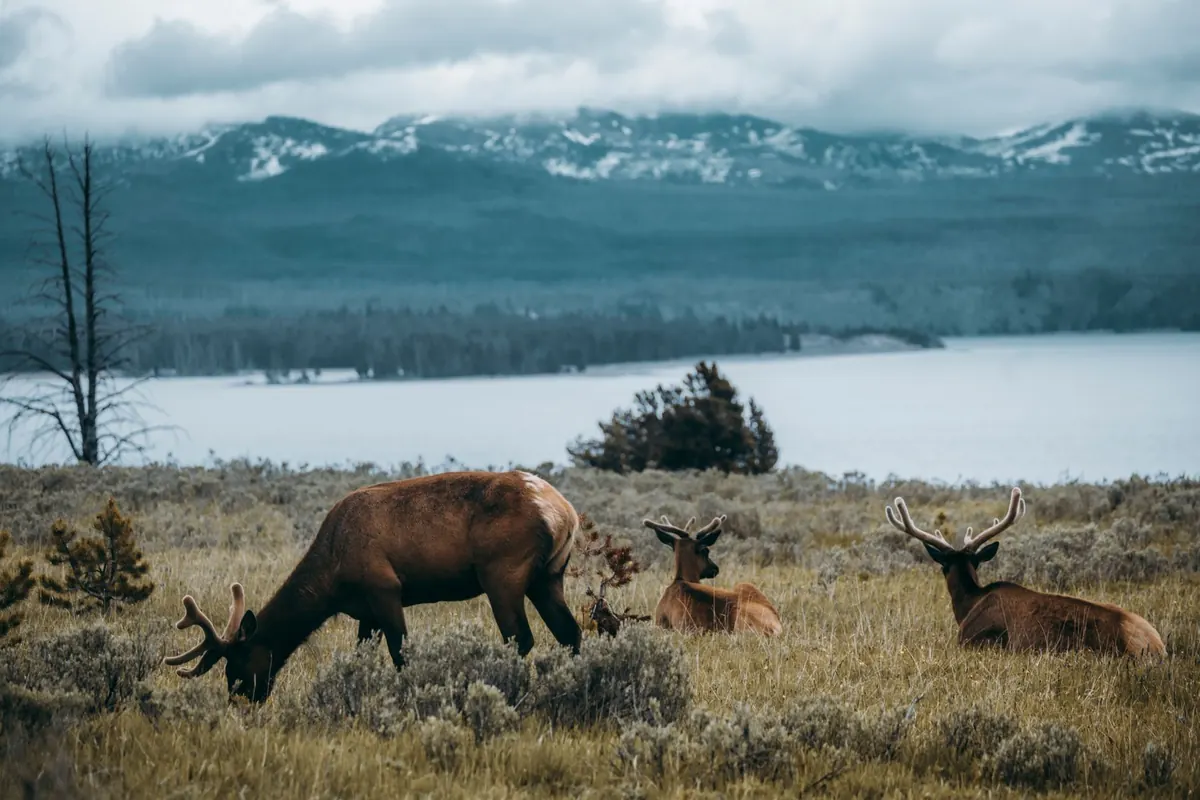
Aspen is one of the few mountain towns where the wilderness does not stop at the town limit; it runs straight through the middle of it. Mule deer browse the golf course at dusk, elk drift down to the valley floor when the first real snow settles, and black bears follow the scent of an unsecured bin along the alleys behind restaurants.
Seeing them is not the difficult part. Seeing them well — without pushing, feeding or cornering them — takes some understanding of how their year works. An animal that learns to associate people with food is an animal that eventually gets destroyed, and your behaviour, repeated across thousands of visitors, is what decides that.
Wildlife around Aspen follows a predictable rhythm, and knowing it will help you far more than any particular trailhead.
Because Aspen sits high, these seasons arrive early and leave late. A mild afternoon in the valley tells you very little about conditions a thousand feet above it.
Black bears are the wildlife encounter you are most likely to have in town, and the one with the highest stakes. They are not naturally aggressive toward people, but they are intelligent, opportunistic, and driven by an appetite that can consume 20,000 calories a day during hyperphagia — the autumn feeding frenzy before denning. A bear that finds a garbage can, a bird feeder, or a cooler on a back porch does not forget. It returns, and it teaches its cubs. That is how a wild bear becomes a problem bear, and a problem bear is almost always a dead bear.
The solution is not to fear bears but to deny them calories. In Aspen, that means locking your trash in a bear-resistant container, not just putting it out the morning of pickup. It means taking down bird feeders from April through November, cleaning your grill after every use, and keeping car doors locked — bears can open unlocked doors and will happily ride an elevator if the lobby is open. If you are camping or picnicking, store all food and scented items in a locked vehicle or bear canister, never in your tent.
If you see a bear, stop. Do not run. Running can trigger a chase response. Give it space — at least 100 yards is a good starting point, more if there are cubs. Speak in a calm, low voice so the bear knows you are human. Back away slowly, and if the bear is on a trail, yield the trail to the bear. Carry bear spray and know how to use it; it is more effective than a firearm in most encounters.
If a black bear approaches you, make yourself look big. Wave your arms, stand tall, and shout. If it keeps coming, throw things, but do not corner it. If a black bear attacks you, fight back with everything you have — unlike a grizzly, a black bear usually backs down when challenged. In Aspen, you are in black bear country, not grizzly country, so that distinction matters.
Elk are the sound of autumn in the Rockies. From mid-September through October, bulls bugle at dawn and dusk, their high, whistling calls echoing across the valley. They are gathering harems, and they are running on adrenaline and very little sleep. A bull during the rut is not a placid lawn ornament; it is a 700-pound animal with sharp antlers and a hair-trigger temper.
Watch from a distance. Use binoculars or a spotting scope. Do not try to imitate a bugle to get a reaction — you may pull a bull toward you, and that is not a game. Keep your dog leashed or, better, leave it at home. Elk perceive dogs as predators, especially wolves, and a cow with a calf will not hesitate to stomp a dog that gets too close. If you find yourself between a bull and his harem, back away slowly. Do not turn your back.
By winter, elk have moved down to the valley floor, often onto the same golf courses and open fields where people walk. They are living on fat reserves and browse, and every time they run, they burn calories they cannot replace. A well-meaning person who lets a dog chase a herd of elk has just cost those animals days of survival. Keep your distance, keep your dog leashed, and if you see elk on a road, give them the right of way. They were here first, and they are not impressed by your schedule.
Mule deer are the most visible wildlife in Aspen, and the easiest to underestimate. They browse gardens, nibble ornamental shrubs, and bed down in the shade of a porch. In spring, does hide their fawns in tall grass, leaving them alone for hours while they feed. A fawn lying still is not abandoned; it is following instructions. Do not touch it, do not move it, and do not assume it needs rescue. Your scent on a fawn can cause the mother to reject it.
Deer also cause more vehicle collisions than any other animal in the area. Drive slowly at dawn and dusk, especially on Highway 82 and the roads around Snowmass and Woody Creek. If a deer crosses in front of you, slow down — there are often more behind it. And never feed deer. Feeding them concentrates them, spreads disease, and attracts predators, including mountain lions, into neighborhoods.
Most wildlife conflicts are avoidable. These rules apply to every species, every season, every trailhead.
“The best wildlife encounter is the one the animal never knew happened.”
That is the standard to aim for. You do not need to get close to have a meaningful experience. A bull elk bugling across a meadow, a bear turning over a log on a hillside, a doe and her fawn crossing a quiet road at dusk — these are gifts. They are also reminders that Aspen is not just a town with wildlife nearby. It is a town inside a wild place, and the animals were here long before the first chairlift. Watch them with respect, and they will keep coming back.
Photo: Yuanpang Wa / Pexels