Trending

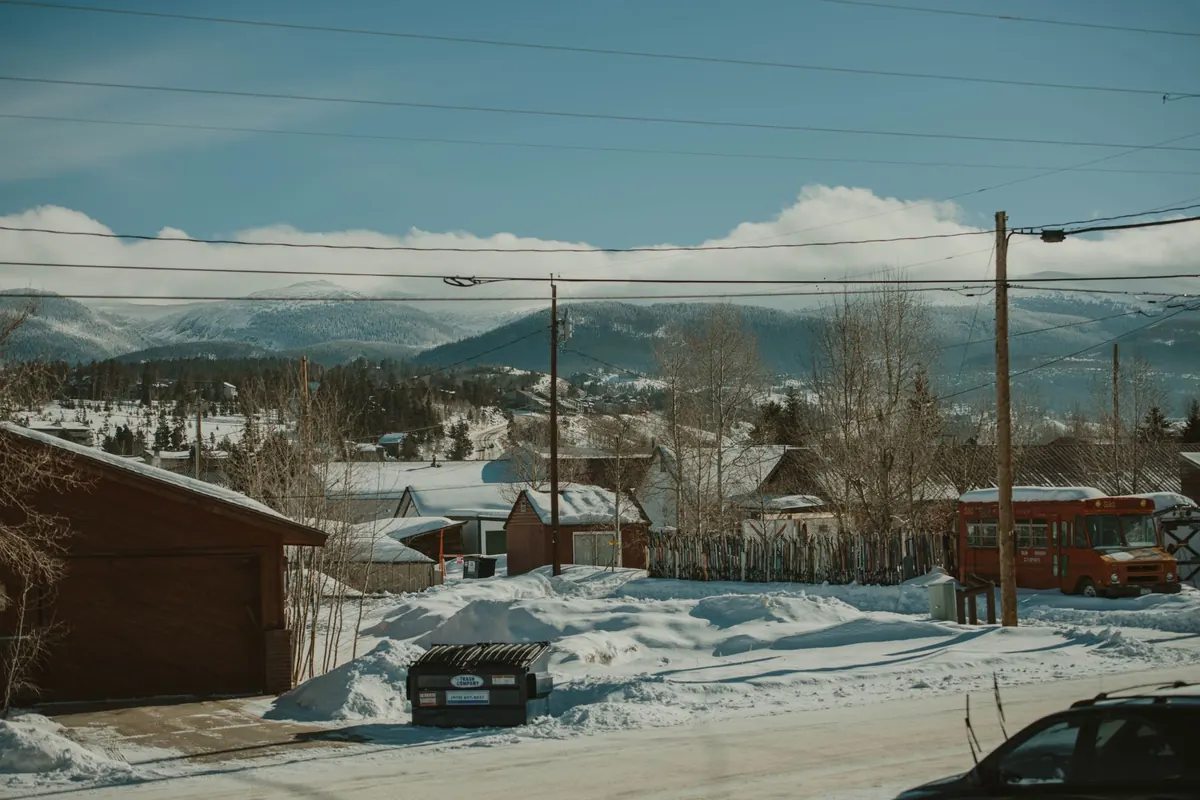
Most visitors assume a car is essential in Aspen. It isn't. The town is compact and walkable, the local buses cost nothing to ride, and the shuttles linking the ski hills run around lift times rather than the other way round. Add a healthy bike-hire scene and a paved valley trail, and a car-free week is perfectly realistic — as long as you know which service does what. The trick is to think in layers: walk the last few blocks, ride the free bus for anything inside town, take a shuttle to the mountains, and use the regional buses and a hired bike for the valley beyond.
Aspen's in-town bus network is free. You step on, ride, step off. No ticket, no tap, no app needed. It links the pedestrian mall and the surrounding lodges with the West End, Cemetery Lane, Hunter Creek, the hospital, the Aspen Recreation Centre and Aspen Highlands.
Routes are grouped by destination, and that matters when you're standing at a stop: the bus heading for Castle Creek is not the one going to Maroon Creek. Some routes are designed to cross town instead of funnelling everything through the centre, so a hop between neighbourhoods can be quicker than you'd expect. Services are frequent in winter and summer and noticeably thinner in the shoulder seasons, so check the current timetable rather than trusting what a friend remembered from three seasons ago. Stops are signed and buses only pick up where they're marked.
If you're staying anywhere near the core, this network will cover most of your daily movement: dinner, a gallery, the ice rink, a walk along the river. Buses are low-floor and wheelchair accessible, and drivers will usually wait while you fold a pushchair.
A few everyday trips show how well it works in practice:
In ski season, free shuttles connect Aspen Mountain, Aspen Highlands, Buttermilk and Snowmass. Most start downtown at the transit centre and pick up at lodges and condos along the way. The crush is between roughly 8am and 9.30am, and again from about 3.30pm. Shift your day by half an hour and you'll get a seat, a calmer start and far less jostling with ski bags.
Aspen Mountain is the odd one out: from most of the core you can simply walk to the gondola in your boots, which is why nobody queues for a shuttle to get there. The other three are a bus ride, and the ride is the easy part.
Snowmass sits a few miles down the valley, so allow half an hour door to door. Wear your boots on the bus — it's entirely normal here, and wrestling with a boot bag on a packed shuttle is nobody's idea of a good morning. Outside ski season, the ski shuttles stop and those connections fall to the year-round valley buses, which sometimes means changing in Snowmass Village.
The Maroon Bells road is closed to most private vehicles for much of the day during the summer season, and the shuttle runs from Aspen Highlands. Reservations are generally required, both for the shuttle and for the limited parking, and popular slots go early. Sort that out before you build the rest of your day around it.
The Roaring Fork Transportation Authority runs the regional buses that stitch Aspen to the rest of the valley. Think of it as the commuter spine: the airport, Snowmass Village, Basalt, Carbondale and Glenwood Springs are all on it, with the fastest services running as limited-stop expresses along the highway rather than dawdling through every neighbourhood.
Rides inside Aspen are free, and so are some short hops, but once you head down-valley you pay a fare that rises with distance. Have a card or the app ready, or the right change if you're paying on board, and keep your ticket if you're continuing onwards. Buses run from early morning until late evening, though the last one back up the valley leaves Glenwood Springs far earlier than most people assume — check it before you plan a long day out.
Two details matter more than they sound. Most buses carry bikes on a front rack, usually two or three at a time, first come first served, so a one-way ride out and a pedal home is a genuinely good plan. And the airport stop is a real, luggage-friendly option: you can land, wheel your case onto a bus, and never go near a hire-car desk at all.
Aspen is a biking town, and the hire fleet reflects it — cruisers, mountain bikes, road bikes, e-bikes, tag-alongs and child trailers, available by the day or the week from shops around the core and in Snowmass Village. If you only want a bike for an hour or two, the local bike-share scheme is the cheaper move: short rides are free or close to it, and docks are scattered through town, though read the time limits so a leisurely lunch doesn't quietly turn into a fee.
The Rio Grande Trail is the reason to hire anything with wheels. It's a paved, car-free path that follows the old railway line down the valley from Aspen towards Glenwood Springs, and it's one of the great easy rides in Colorado. The gradient works in your favour heading down-valley and gently against you coming home, which is exactly where an e-bike earns its money.
A few sensible rules of thumb:
Here's how it actually looks in winter. Boots on at the lodge, walk two blocks to the shuttle stop, ride up with everyone else, ski until the lifts slow, and take the same shuttle back. Shower, walk to dinner, take the free bus home if the walk is longer than you fancy. No scraping windscreens, no circling for parking, no designated driver.
In summer it's even simpler: bike to the pool or the river trail in the morning, leave the bike locked up, ride the free bus to Aspen Highlands, catch the Maroon Bells shuttle, and be back downtown in time for an early dinner.
Almost every car-free complaint in Aspen comes down to timing rather than access. Take the first bus, not the last, and the whole valley opens up.
So leave the car at home. Between the free town buses, the ski and Maroon Bells shuttles, the RFTA regional routes and a bike you can hire by the day, Aspen is one of the few mountain towns where doing without one isn't a compromise. It's simply the easier plan.
Photo: Quang Vuong / Pexels