Trending

Aspen announces itself in stages. First the plane banking over the Elk Mountains, then a walk along a snow-packed Cooper Avenue with the gondola humming above the rooftops. And then the part you have actually come for: standing at the top of a slope with two planks attached to your feet and no obvious plan.
Here is the reassuring bit. Aspen Snowmass is one of the friendliest places in North America to learn, largely because one of its four mountains — Buttermilk — is built almost entirely for people who have never skied before. Lessons are well organised, equipment hire is straightforward, and the local buses are free. The week runs smoothly if you sort three things in the right order: lessons, gear, then runs.
A single lift ticket covers four mountains: Aspen Mountain, Aspen Highlands, Buttermilk and Snowmass. For a first-timer they are not interchangeable.
Buttermilk is where you want to be. It hosts the Winter X Games, which makes it sound terrifying, but away from that one course the mountain is wide, gently pitched and meticulously groomed. The base area is small enough to navigate without a map, and the beginner lifts are close to the rental shop and ski school meeting point.
Snowmass is the better second step. It is larger and busier, with a dedicated learning zone at the base and a good spread of easy cruising runs higher up once your confidence grows.
Aspen Mountain and Aspen Highlands can wait. Ajax rises steeply straight out of town and has essentially no beginner terrain — a beautiful place to ride the gondola for lunch, a miserable place to learn to stop.
Lessons sell out in the busy weeks around Christmas, New Year and the American school holidays in February. Book online before you travel rather than turning up at the desk hoping for a space.
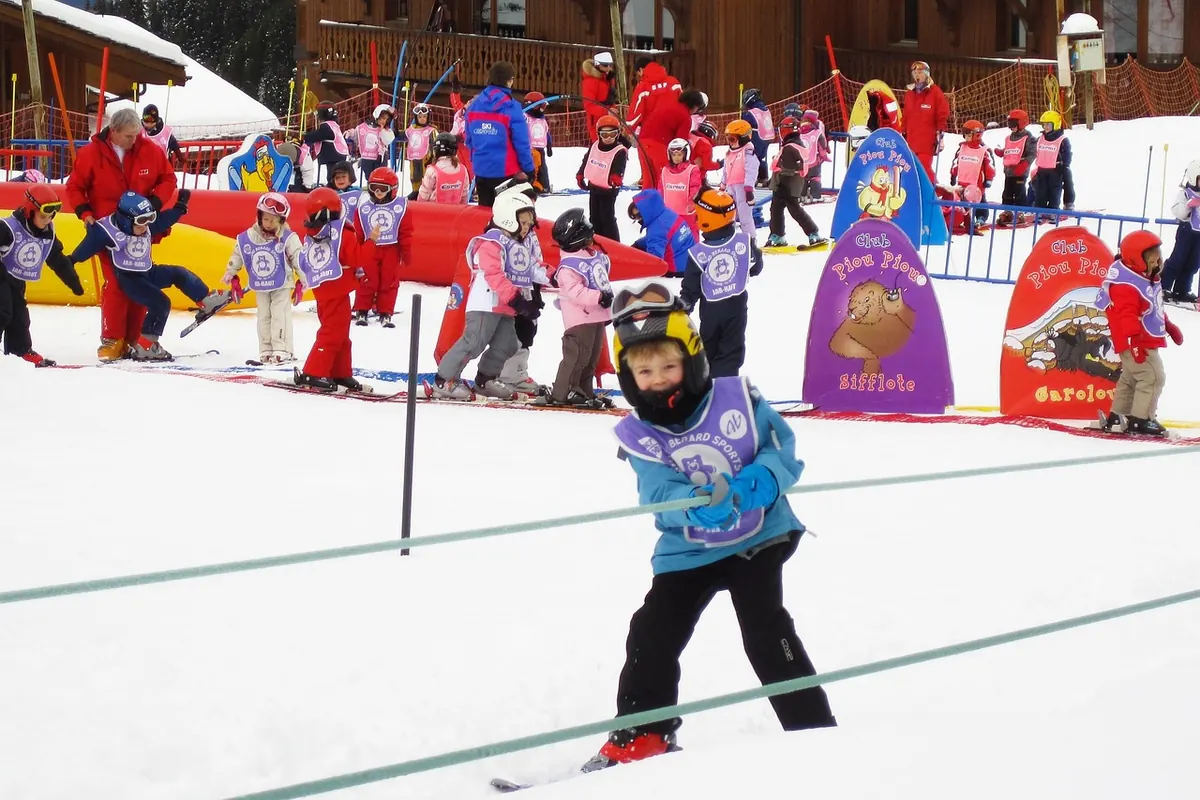
Expect a lot of time on flat ground. You will learn to walk in boots, clip in, glide, and stop — probably on a gentle slope before you go anywhere near a chairlift. Most schools use a magic carpet, a slow moving belt that takes you up a short beginner pitch. Your instructor will ride the chairlift with you the first time and tell you exactly when to slide forward and when to stand up.
If you have done a dry slope at home, treat it as a useful head start rather than a head start on Aspen. Real snow is softer and more forgiving, but the runs are longer and the altitude is a genuine factor.
Group lessons usually cap at a handful of people, so you will still get individual attention. Private lessons are the better buy for couples or families who want to move at one pace. Tipping instructors is customary in American ski schools; a cash tip at the end of a multi-day block is the norm, and the ski school desk will happily tell you what is normal if you are unsure.
Reserve your skis, boots, poles and helmet online before you fly, and choose a shop at the base of the mountain you will ski first. Many shops let you collect the evening before, which turns a stressful first morning into a relaxed one.
Boots matter more than anything else you will wear. They should feel snug around the heel and instep without pinching your toes or cutting off circulation. If they hurt after the first morning, take them back — most rental shops will refit or swap them as often as you need during your trip.
Dress for the forecast, not for the car park. Conditions change fast between the base and the top of the lift.
American trail grades are generous at the easy end. A green circle is genuinely gentle — wide, groomed and slow. Blues are the next step up and can be steeper than you expect, so stay on greens until turning and stopping feel automatic.
Aspen sits at roughly 2,400 metres, which is high enough to notice. Expect broken sleep, a dry throat and breathlessness on stairs for the first day or two. Drink more water than feels necessary, go easy on alcohol for the first night, and treat day one as an acclimatisation day rather than a marathon.
Sun is the sneaky one. Ultraviolet light is stronger at altitude and reflects off the snow, so sunscreen and lip balm belong in your pocket, not your hotel room. Layers beat one thick jacket: you will be cold on the lift and warm on the slope, often within ten minutes of each other. If you have a heart or lung condition, speak to your GP before booking.
Book the lesson before you book the flights, hire boots you can actually walk in, and spend your first two days on the gentlest terrain you can find. Aspen rewards patience — and by the end of the week you will be riding the chairlift like it is the most ordinary thing in the world.